Are you struggling to keep your precious flowers and shrubs alive in the scorching summer heat? Don’t fret! With a little extra care and attention, you can help your plants thrive and flourish during the hottest months of the year.
By following these simple tips and tricks, you’ll be able to provide your plants with the TLC they need to stay healthy and strong all summer long.
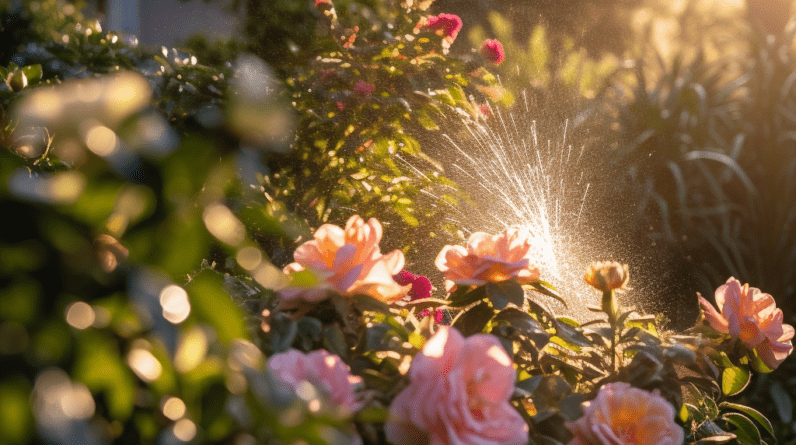
First and foremost, it’s essential to water your plants consistently and deeply. This means giving them a good soak once or twice a week, rather than a quick spritz every day. Be sure to water at the base of the plant, rather than from above, to ensure the water is reaching the roots where it’s needed most.
By providing your plants with the right amount of water, you’ll help them stay hydrated and happy, even in the midst of a heatwave.
Key Takeaways
- Consistent and deep watering at the base of the plant is crucial, with timing watering being important. Water deeply and less frequently, ideally every 2-3 days or once a week.
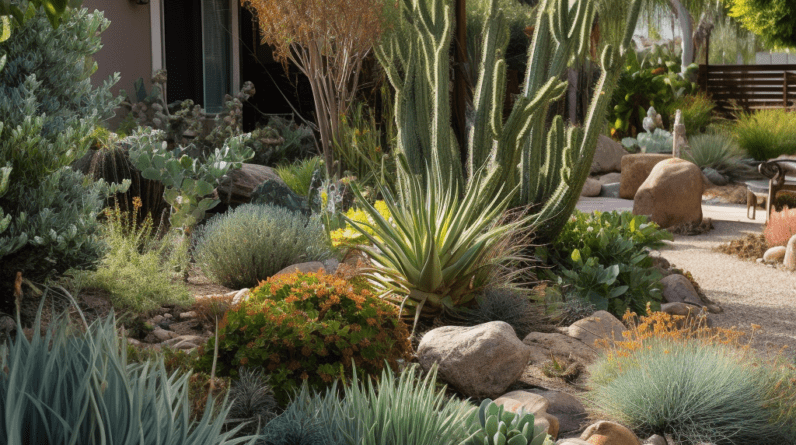
- Choose drought-resistant plants like succulents, cacti, lavender, and rosemary, which require less water.
- Prepare the soil with organic matter, incorporate mulch to conserve moisture and regulate soil temperature, and replenish mulch regularly.
- Fertilize plants every 4-6 weeks during the growing season, following recommended application rates and understanding the specific needs of each plant. Don’t over-fertilize, as it can harm plants and the environment.
Importance of Watering Consistently and Deeply
Don’t forget to water your plants consistently and deeply during the scorching summer months – it’s the lifeblood they need to weather the heat and keep their heads above water.
While some plants are more drought resistant than others, they all require a certain level of moisture to thrive. If you’re looking for drought resistant options, consider planting succulents, cacti, lavender, or rosemary, as they require less water than other plants.
When it comes to watering techniques, there are a few things you should keep in mind. First, make sure you water the soil, not just the leaves of your plants. This will help prevent diseases and ensure the roots can absorb the water. Second, water in the morning or evening when temperatures are cooler, as this will reduce evaporation and help your plants retain moisture. Finally, water deeply and less frequently to encourage the roots to grow deeper and make your plants more resilient to drought.
By watering your plants consistently and deeply, you’ll help them survive the summer heat and stay healthy and vibrant. But timing your watering for optimal results is also important.
In the next section, we’ll explore how to water your plants at the right time to maximize their growth and minimize water waste.
Timing Your Watering for Optimal Results
Timing the watering of your plants during the summer months can greatly improve their health and growth. One key element to consider is watering frequency. While it’s important to water deeply, you don’t want to overwater and drown the roots. Instead, aim for consistent, moderate watering.
Depending on your soil type and climate, this may mean watering every two to three days or once a week. Another factor to keep in mind is soil moisture retention. You want to make sure the water is actually reaching the roots and being absorbed by the soil.
One way to check this is to dig down a few inches and see if the soil is moist. If it feels dry, it’s time to water. If it’s still wet, you can hold off for a day or two. By paying attention to watering frequency and soil moisture retention, you’ll be able to give your plants the right amount of water to thrive in the summer heat.
Now that you know how to time your watering, it’s important to choose the right plants for the summer heat. Some plants are naturally more tolerant of hot weather and drought conditions. In the next section, we’ll explore some of these options and give you tips for creating a beautiful garden that can withstand the summer sun.
Choosing the Right Plants for the Summer Heat
You’ll be amazed at how much easier it is to maintain a vibrant and lush garden during scorching summer months by selecting plants that are practically un-killable in the heat. Drought resistant varieties are a fantastic option for those looking to keep their garden thriving without using excessive amounts of water. These plants are capable of withstanding long periods of time without being watered, making them the perfect choice for those who may be traveling during the summer months.
Another important aspect to keep in mind when choosing plants for the summer heat is soil preparation. Ensuring that the soil is well-draining and nutrient-rich is crucial for the success of your garden. When the soil is able to drain properly, the roots of your plants will have better access to the water they need to thrive. Additionally, using organic matter such as compost or aged manure can help to increase the soil’s ability to retain moisture, reducing the need for frequent watering.
By selecting drought-resistant plants and preparing your soil properly, you’ll be well on your way to a thriving garden in the summer heat. However, it’s important to also consider providing adequate shade and protection for your plants during the hottest parts of the day. This will help to prevent heat stress and keep your plants healthy and vibrant throughout the season.
Providing Adequate Shade and Protection
Creating a shaded haven for your plants during scorching summer days can make all the difference in preserving their health and beauty. While some plants thrive in the sun, others require protection from the heat. Here are three ways you can provide adequate shade and protection for your flowers and shrubs:
- Using umbrellas and screens: If you have potted plants on your patio or balcony, try using umbrellas or screens to shield them from the sun. This will help reduce the intensity of the sun’s rays and keep your plants cool and comfortable.
- Building shade structures: For larger plants, consider building shade structures such as pergolas or trellises. These structures not only provide shade but also add an aesthetic appeal to your garden. You can also use shade cloth or netting to create a temporary shade structure for your plants.
- Planting companion plants: Another way to protect your plants from the sun is by planting companion plants that provide shade. For example, you can plant taller plants such as sunflowers or corn to provide shade for shorter plants like lettuce or herbs.
By providing adequate shade and protection, you can ensure that your plants stay healthy and thrive in the summer heat. In the next section, we’ll discuss how incorporating mulch and fertilizer can provide added nutrients for your plants.
Incorporating Mulch and Fertilizer for Added Nutrients
In order to give your garden a boost of nutrients, it’s essential to incorporate mulch and fertilizer into the soil. Mulch is a protective layer applied to the soil surface, which helps to conserve moisture and regulate soil temperature. This protective layer can be made from organic materials like wood chips, shredded leaves, grass clippings or even stones and rock mulch. Mulch maintenance is crucial to ensure that your garden stays healthy and nourished. It’s important to replenish the mulch layer regularly, as it can decompose over time and lose its effectiveness.
Along with mulch, fertilizer is also essential for keeping your flowers and shrubs thriving in the summer heat. Fertilizer provides additional nutrients that your plants need to grow and stay healthy. However, it’s important to understand the appropriate fertilizer frequency for your garden. Over-fertilizing can damage your plants and harm the environment. It’s recommended to fertilize your garden once every four to six weeks during the growing season. Be sure to follow the recommended application rates for your specific plants, as different plants have different nutrient requirements.
Incorporating mulch and fertilizer into your garden is a great way to nourish your flowers and shrubs during the hot summer months. Remember to maintain your mulch layer and fertilize appropriately to avoid damaging your plants. By following these tips, you’ll be able to enjoy a beautiful and thriving garden all summer long.
Frequently Asked Questions
What are some common mistakes people make when watering their plants in the summer?
You tend to overwater your plants in summer. This can lead to root rot and other problems. Strike a balance by checking soil moisture regularly and watering only when necessary. Don’t let your good intentions drown your plants.
How can you tell if your plants are getting too much or too little water?
Are your plants looking wilted or yellow? Signs of overwatering include waterlogged soil, yellow leaves, and root rot. Signs of underwatering include dry soil, brown leaves, and wilting. Checking the soil moisture is key to keeping plants healthy.
Are there any plants that are particularly resistant to the summer heat?
Looking for plants that can withstand the summer heat? Look no further than heat-resistant plant species like succulents and cacti. And don’t forget the benefits of using mulch for summer gardening – it helps retain moisture and keep soil cool.
What are some natural ways to provide shade for your plants?
Looking for ways to provide shade for your plants? Consider greenhouse options or DIY solutions like building a trellis or using shade cloth. Keep your greenery cool and thriving in the summer heat.
How often should you fertilize your plants during the summer months?
“Maximize growth by fertilizing summer plants at the optimal time. Use slow-release fertilizers for long-lasting nutrition. Organic options like compost or fish emulsion provide natural benefits. Don’t forget to water well after fertilizing.”